Financing a Box Trailer: What a 6x4 or 7x5 Really Costs on a Payment Plan
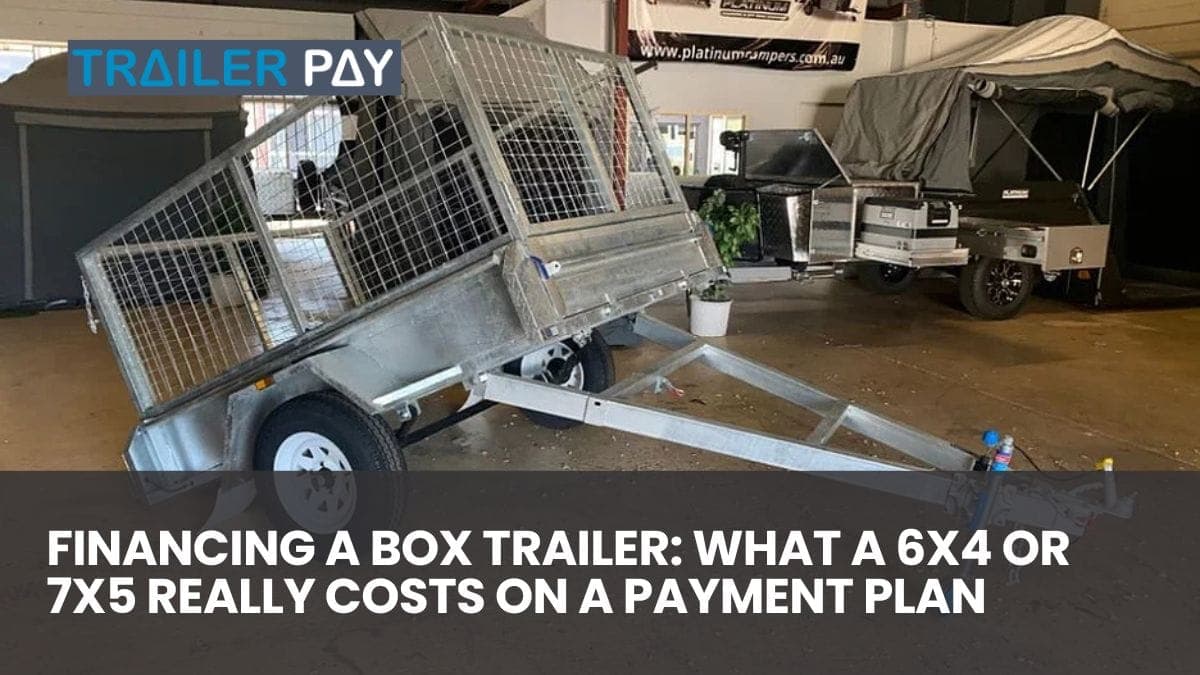
Box trailer finance Australia buyers usually want one clear answer: what will a 6x4 or 7x5 actually cost each week or month on a payment plan? The real figure is not only the trailer sticker price. It is the deposit, plan term, extras, registration, and towing setup combined into a repayment you can sustain.
A box trailer is one of the most practical first buys for home movers, garden clean-ups, weekend projects, and light trade work. Choosing a flexible payment plan can get you on the road sooner without draining cash reserves. Trailer Pay helps customers purchase new trailers through affordable payment plans, with Australia-wide availability including regional areas.
This guide breaks down what drives 6x4 and 7x5 costs, how payment plans work, what you still pay outside the plan, and how to check affordability before you apply.
Overview
You will learn:
- How 6x4 and 7x5 box trailers differ on price and use
- Which cost items sit inside vs outside a payment plan
- How deposits, terms, and extras change repayments
- What documents and checks speed up approval
- Practical steps to compare options and avoid common mistakes
Key takeaways
- Box trailer finance Australia decisions should start with total ownership cost, not the headline trailer price alone.
- A 7x5 usually costs more than a 6x4 because of size, steel, payload capacity, and common upgrades.
- Trailer Pay requires a $200 non-refundable deposit under current terms.
- Registration, towing equipment, and warranty handling remain the customer’s responsibility.
- Shorter terms raise repayments but can reduce total plan cost; longer terms ease cash flow.
- Use a calculator and a written budget before you sign.
- Match trailer size to real loads so you do not overbuy or under-spec.
What box trailer finance in Australia really means
In plain terms, box trailer finance in Australia is a way to spread the purchase of a new enclosed or high-sided cargo trailer over scheduled repayments instead of paying the full amount up front. At Trailer Pay, this is positioned as an affordable payment plan, not as Trailer Pay acting as a bank or standalone lender brand.
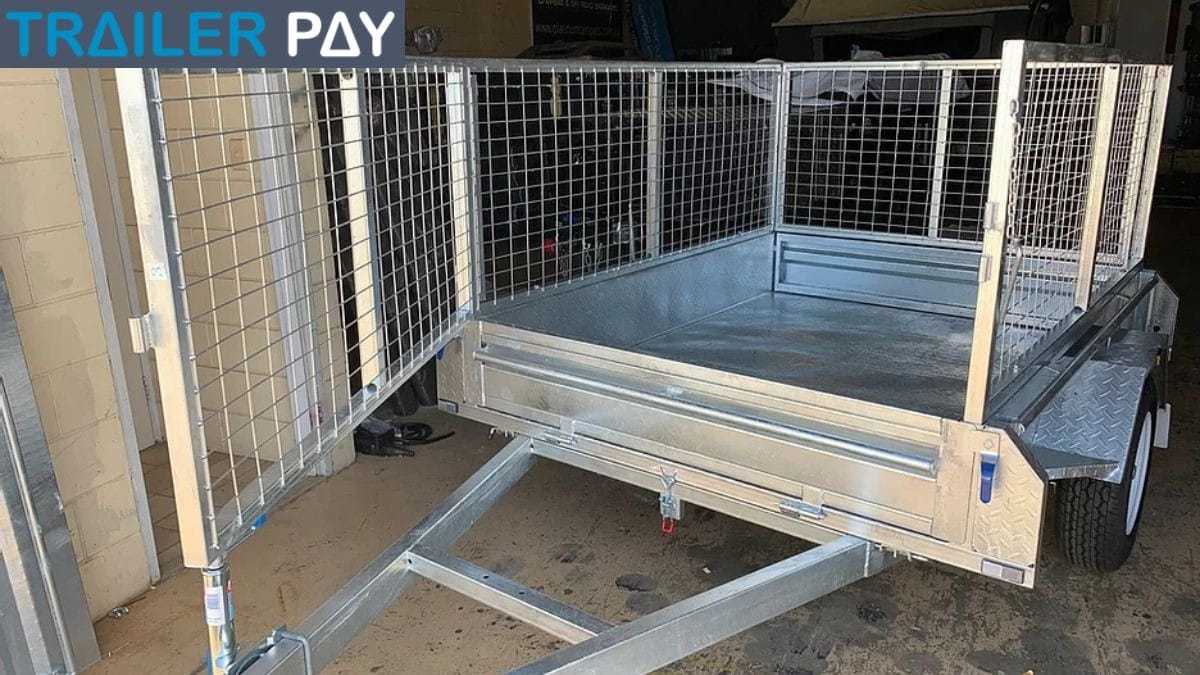
Payment plans suit buyers who need the trailer now for work, property jobs, or household use, but prefer to protect savings. They also suit small operators who want the asset working while repayments fit weekly cash flow. For the mechanics of deposits, scheduling, and approvals, read how trailer payment plans work.
Before you compare any offer, learn the baseline process in the trailer financing guide and confirm the plan matches your purpose, income pattern, and towing vehicle.
6x4 vs 7x5 box trailers: size, use, and cost drivers
A 6x4 box trailer (about 6 ft x 4 ft floor) is the everyday option for tip runs, furniture moves, lawn waste, and compact loads. A 7x5 box trailer adds floor area and often higher practical payload for tradies, market stock, larger household jobs, and bulk green waste.
Typical use cases
Always confirm aggregate trailer mass (ATM), tare, ball weight, and your vehicle’s maximum towing capacity before you buy. Overloading is unsafe and can void compliance assumptions.
Why a 7x5 usually costs more on a plan
Larger floor space means more materials, often stronger axles or higher ratings, and more popular add-ons such as cage sides, ramps, spare wheels, toolboxes, and better jockey wheels. Those options raise the financed amount, so weekly or fortnightly repayments rise even if the interest-style cost structure looks similar.
Purpose should lead the decision. If most trips are green waste and tip runs, a well-specced 6x4 may be enough. If you haul mowers, stock, or site gear weekly, the 7x5 can be the better long-term value. For that decision lens, see why your trailer’s purpose matters when choosing a finance plan.
What a 6x4 or 7x5 really costs on a payment plan
The repayment is only one line in the budget. Treat box trailer ownership as a stack of costs.
1) Upfront costs
- Deposit: Trailer Pay’s terms include a $200 non-refundable deposit.
- Initial on-road setup: Number plates/registration process, lights check, and any mandatory compliance items in your state or territory.
- Towing readiness: Correct coupling, chains, electrical plug, and possibly weight distribution or brake controllers depending on trailer and vehicle.
Towing and registration are the customer’s responsibility under Trailer Pay terms.
2) Amount placed on the payment plan
This is usually:
Trailer price (incl. GST in AUD) + agreed extras − deposit and any upfront reduction
Modifications must be discussed directly before you lock the plan. Returns can attract a 35% restocking fee, so choose size and options carefully the first time.
3) Ongoing ownership costs outside the plan
- Fuel use from extra towing load
- Tyres, bearings, and lighting maintenance
- Storage or yard space
- Insurance (ask your insurer about trailer cover)
- Time off the road if servicing is delayed
4) Term length and repayment rhythm
Short terms mean higher repayments and often lower total plan cost. Long terms lower the repayment but can cost more overall. Compare both with your actual income cycle in short-term vs long-term trailer loans.
Worked cost framework (no guesswork pricing)
Because trailer stickers and option packs change, use this structure rather than relying on a random online average:
- Confirm the on-road trailer price including GST.
- Add only the extras you need in year one.
- Subtract the $200 deposit and any extra upfront payment you choose to make.
- Divide the remaining plan amount across your term (weekly/fortnightly/monthly as offered).
- Add rego, insurance, and a maintenance buffer.
- Stress-test the total against a quiet income month.
To run the numbers properly, use guidance in how to use a trailer financing calculator and how to calculate if you can afford a trailer payment plan.
Illustrative repayment logic only (replace with live quote figures):
If a salesperson quotes only a “from” weekly figure, ask for the full balance, term, fee schedule, and early payoff rules in writing. Use questions to ask before signing a trailer payment plan.
Box trailer finance Australia: payment plan vs paying outright
Paying outright is simplest if cash is surplus after emergency savings. A payment plan is often smarter when the trailer directly supports income, replaces expensive hire, or prevents you from draining working capital.
For a deeper trade-off view, read is trailer financing worth it and the pros and cons of using a payment plan to buy a trailer.
Tradies and side-hustle operators often favour plans because the trailer can earn while it is being paid down. See trailer financing for tradies and financing a trailer for your side hustle.
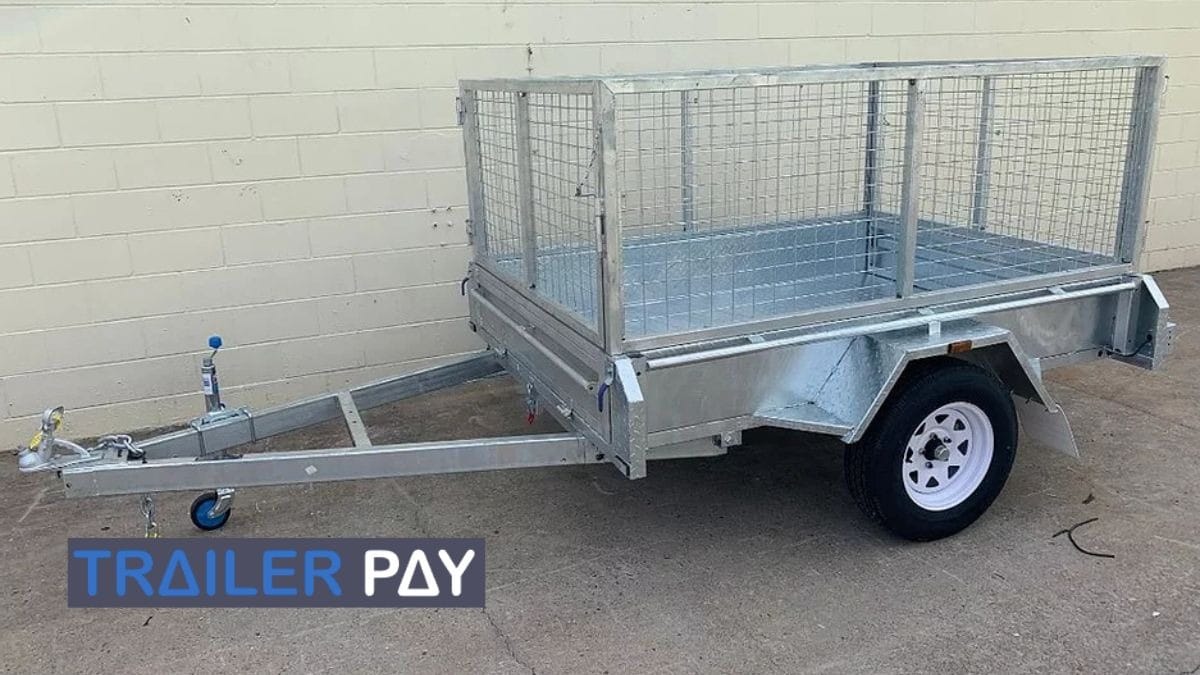
Features and extras that change your repayments
Optional equipment is where many 6x4 and 7x5 budgets slip.
High-impact extras:
- Cage sides and ramps
- Braked vs unbraked configuration (where applicable to mass and use)
- Spare wheel and mounting
- Jockey wheel upgrades
- Toolbox or lockable storage
- Heavy-duty jockey, better tyres, or reinforced front trunk styles
- Custom paint or non-standard modifications
Only finance extras you will use in the first 12 months. You can add some accessories later in cash if needed. If you found a specific trailer elsewhere, Trailer Pay has processes where you can share what you want and discuss putting a suitable option onto a flexible plan via the apply now pathway.
Eligibility, documents, and approval speed
Approval is smoother when your paperwork is complete and your budget is realistic. Employment type affects options and assessment, whether you are full-time, self-employed, or seasonal. Review trailer payment plans and employment type.
Common document categories include identity, income evidence, and basic contact/residency details. Use the checklist in essential documents for quick trailer finance approval and the prep guide what to know before applying for trailer finance.
Avoid preventable delays:
- Incomplete applications
- Undisclosed existing commitments
- Choosing a trailer your vehicle cannot legally tow
- Ignoring deposit and fee terms
Those issues are covered in common trailer finance application blunders to avoid.
Buyers with damaged credit should still read plan conditions carefully and budget conservatively. See trailer payment plans even with bad credit.
Australian compliance costs buyers forget to budget
A cheap repayment is a poor deal if the trailer is not road-legal behind your vehicle.
Budget time and money for:
- Correct registration in your state or territory
- Lights, chains, coupling condition, and safety chains
- Matching plug type and trailer wiring
- Knowing unbraked vs braked towing limits for your licence and vehicle
- Load restraint gear (nets, straps, tarps)
Authoritative towing and vehicle standards guidance is published through Australian government and state transport resources, including the Department of Infrastructure, Transport, Regional Development, Communications and the Arts and your local roads authority (for example NSW NSW Government roads, TMR Queensland, VicRoads). Always check the rules that apply where the trailer will be registered.
Delivery timing can vary, and Trailer Pay terms state there is no compensation for delays. If you need a trailer for a fixed job date, apply early and confirm stock.
How to compare box trailer payment options effectively
Use one comparison sheet for every quote:
- Trailer model/size (6x4 or 7x5) and ATM
- Included features vs paid extras
- Total price incl. GST
- Deposit and what is non-refundable
- Term length and repayment frequency
- Total amount payable over the full term
- Early repayment rules
- Delivery timeframes
- Return/restocking conditions
- Customer responsibilities (rego, warranty process, towing)
Then compare structure, not slogans. A practical method is outlined in how to compare trailer loan options effectively and understanding trailer loan terms.
If cash flow varies by season, build a buffer month into the plan. Seasonal timing tips are covered in seasonal trailer buying. Regional buyers should also plan for delivery logistics using payment plans for regional and rural Australians.
Smart ways to lower the real cost of a 6x4 or 7x5
- Choose size by measured loads, not “just in case” upsizing.
- Pay a bit more upfront above the $200 deposit if cash allows, to reduce the plan balance.
- Skip cosmetic extras that do not improve safety or usability.
- Confirm early payoff options before signing (early repayment options).
- Keep maintenance current to avoid bearing and tyre blowouts.
- Do not miss payments; recovery costs and credit damage erase any “deal” (what happens if you miss a trailer payment).
- For business use, ask your accountant about possible deductions and record-keeping (tax benefits of financing a trailer for business).
More tactics sit in how to save on interest with smart trailer loan strategies.
Step-by-step: from quote to first trip
- Define the job list for 12 months (home, trade, farm, side hustle).
- Pick 6x4 or 7x5 based on volume and mass, not habit.
- Check your tow vehicle limits and licence conditions.
- Shortlist inclusions and get a clear GST-inclusive price.
- Run affordability maths with a calculator and a buffer.
- Prepare documents and submit a complete application.
- Pay the $200 deposit only when you accept the plan conditions.
- Confirm delivery, inspection, and registration steps.
- Do a shakedown trip empty, then lightly loaded, before a long haul.
First-time buyers can follow the broader primer in trailer financing for first-time buyers and how to own a trailer fast in Australia.
Trailer Pay terms that affect your cost outcome
Know these before you commit:
- Trailer Pay is not obligated to match competitor prices.
- $200 deposit is non-refundable.
- Modifications must be discussed directly.
- Warranty handling is the customer’s responsibility.
- Returns may incur a 35% restocking fee.
- Delivery times may vary; delays are not compensated.
- Towing and registration remain your responsibility.
- Pricing is in AUD and includes GST.
If you need help on process or locations, use contact us, location, or learn more about us. For ute trays and canopies under similar plan thinking, see payment plans for ute trays, canopies and trailers.
FAQ
How does box trailer finance Australia work on a payment plan?
You select a trailer and extras, pay the required deposit, and spread the remaining approved amount over a set term. Repayments are scheduled to fit the agreed frequency while you use the trailer. Always confirm total payable, responsibilities, and delivery timing in writing before you sign.
How much is a 6x4 box trailer on finance per week?
Weekly cost depends on the GST-inclusive price, extras, deposit, and term length. Two buyers can see very different weekly figures on the same size trailer. Get a written quote, subtract the deposit, then divide the plan balance by the number of weeks in the term and add rego and insurance.
Is a 7x5 box trailer worth the extra cost over a 6x4?
Yes if you regularly need the extra floor space or practical load capacity. No if your towing vehicle is marginal or your loads are consistently small. The better buy is the smallest trailer that safely does your real weekly jobs without overload.
What deposit do I need for a box trailer payment plan with Trailer Pay?
Trailer Pay’s stated terms include a $200 non-refundable deposit. Extra upfront payments can reduce the balance placed on the plan. Confirm the latest conditions when you apply because accepted quotes should always reflect current terms.
Can I get box trailer finance in Australia with average or bad credit?
Possibly, depending on assessment, income stability, and the plan criteria at the time. Expect closer scrutiny of budget and documents. Read plan conditions carefully and avoid stretching repayments past a safe share of net income.
Are registration and servicing included in trailer payment plans?
Usually no. Trailer Pay terms make registration and towing the customer’s responsibility, and warranty process handling sits with the customer. Budget those items separately from the repayment.
Can I pay off my box trailer early?
Often yes, but rules differ by agreement. Ask about any early payout figure, timing cut-offs, and whether administrative fees apply. Get the process in writing before you rely on an early-exit strategy.
What is cheaper overall: personal loan or trailer payment plan?
It depends on approval odds, fees, total repayable, security conditions, and speed. Compare the full cost and conditions, not only the advertised rate-style figure. Use a side-by-side sheet and keep the trailer purpose central.
Do regional Australian buyers pay more for box trailer plans?
The plan structure may be similar, but delivery logistics and timing can add practical cost or delay. Apply earlier, confirm delivery expectations, and keep communication clear on access and unloading.
What documents speed up approval for a 6x4 or 7x5?
Prepare photo ID, income evidence, contacts, and clear details of the trailer you want. Self-employed buyers should have cleaner BAS or accounting summaries ready. Complete applications are approved faster than partial ones.
Apply Now
Ready to price a 6x4 or 7x5 against a repayment you can live with? Apply now and map your box trailer payment plan with clear terms before you commit.