Trailer Payment Plans for Farmers: Flexible Options for Agricultural Use
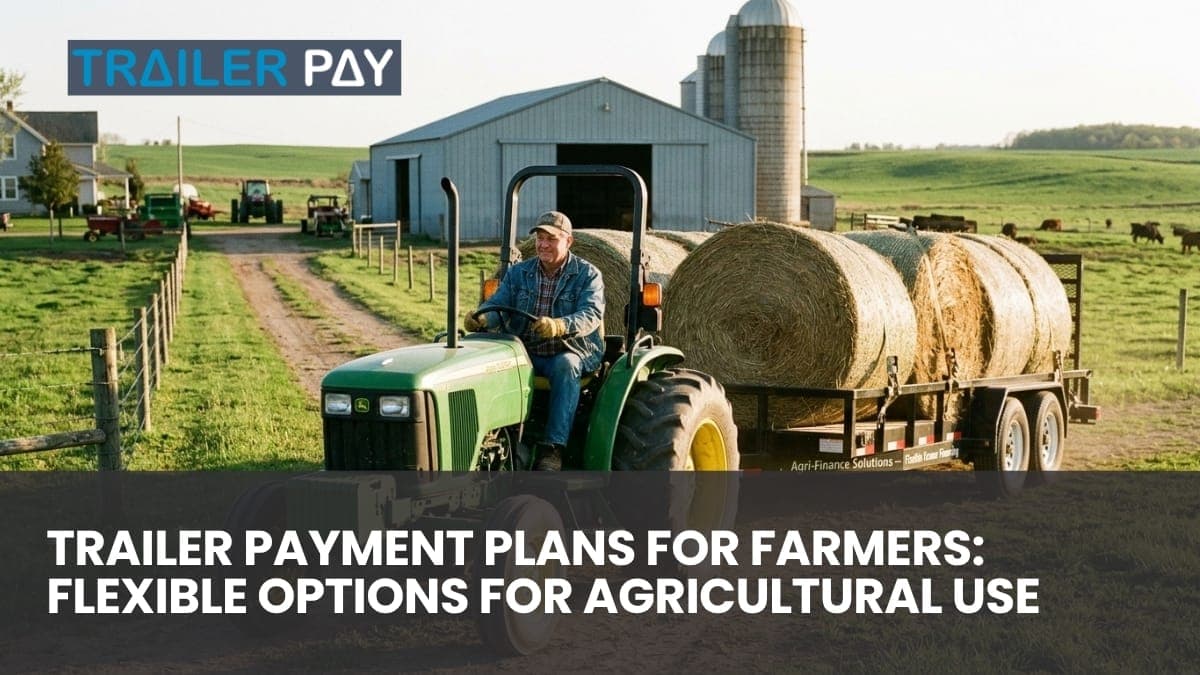
Quick answer: Farmers can spread the cost of a work-ready trailer using a flexible payment plan instead of paying a large lump sum upfront. Trailer Pay is Australia's largest trailer reseller, not a bank or lender, and it offers affordable payment plans that let you tow away a cattle, tipper, flatbed, or plant trailer with a low deposit and manageable weekly, fortnightly, or monthly repayments. That structure suits the seasonal, uneven income most farms run on, and it keeps your working capital free for stock, seed, and fuel.
Here is how it works, which trailers you can get, and what to weigh up before you apply.
Key Takeaways
- Trailer Pay is a reseller that offers flexible payment plans, sourcing trailers from a nationwide manufacturer network, rather than lending money directly.
- Payment plans suit seasonal farm cash flow, spreading cost across the year instead of a single upfront hit.
- You can get livestock, tipper, flatbed, plant, box, and ATV trailers on a plan, with capacities from 750kg to 4,500kg.
- Applications are fast, often same-day, and pre-approval does not affect your credit file.
- Many farm trailers may qualify for an immediate tax deduction under the instant asset write-off, subject to your circumstances and a registered tax agent's advice.
Why Farmers Buy Trailers on a Payment Plan
Farming income rarely arrives evenly. It comes in bursts around harvest, stock sales, or seasonal contracts, while costs run all year. Paying several thousand dollars upfront for a trailer at the wrong time of the season can strain cash flow you need elsewhere.
A payment plan solves the timing problem. Instead of one large outlay, you make smaller, predictable repayments that are far easier to budget around. That keeps your capital working where it earns the most, in stock, inputs, and operations, rather than tied up in equipment.
It also means you get the gear when you need it, not months later once you have saved for it. If you need a tipper before the next feed run or a livestock trailer ahead of a sale, spreading the cost lets you act on the season rather than wait for it. Trailer Pay is built around exactly this, helping buyers own equipment sooner through flexible payment plans.
Agricultural Trailers You Can Get on a Payment Plan
Trailer Pay's manufacturer network covers the full range of trailers a working property needs. The right choice comes down to what you haul most.
Utility trailers typically range from 750kg to 3,500kg capacity, while flatbeds extend up to 4,500kg for heavier machinery and freight. If you are not sure which size or type fits your work, the Trailer Pay team can help match a trailer to the job.
How Trailer Pay's Payment Plans Work
Trailer Pay is a trailer reseller and retailer, not a finance company. It buys trailers from a network of trusted manufacturers and offers them to you on an affordable payment plan, arranged through a panel of finance and credit providers. The process is deliberately simple.
- Choose your trailer. Select from hundreds of models across Australia's largest trailer network, or tell Trailer Pay what you need and the team will source it.
- Apply for a plan. Apply online in minutes or visit a location. You will need a driver's licence and a secondary ID. Pre-approval is obligation-free and does not affect your credit file.
- Choose your repayments. Plans offer low deposits and weekly, fortnightly, or monthly repayments, with terms commonly running from 12 to 60 months.
- Tow it away. Once approved, the team finalises the details and you hitch up. Approvals are often same-day.
Because Trailer Pay works with self-employed and variable-income applicants, it is well suited to primary producers whose earnings shift with the season. All pricing includes GST and is set at Trailer Pay's own retail price, which can differ from buying direct. For a plain-English breakdown of plan lengths and structures, see the guide to understanding trailer loan terms.

Flexible Options That Suit Farm Cash Flow
The real advantage for farmers is matching repayments to how a property actually earns.
Shorter terms mean higher repayments but less total cost, which can suit a strong season. Longer terms lower each repayment to protect month-to-month cash flow through leaner periods. A common budgeting guide is to keep repayments below 20% of income, leaving room for fuel, maintenance, and insurance.
Because Trailer Pay operates Australia-wide, including regional and remote areas, distance is not a barrier to getting equipment onto your property. And because pre-approval is obligation-free, you can explore what a plan would look like before committing, then decide with clear numbers in front of you. Contact the Trailer Pay team or find your nearest location to get started.
Tax and Your Farm Trailer
A trailer used for your farming business is a business asset, which means it may be tax-deductible. This is general information, not tax advice, so confirm the details with a registered tax agent.
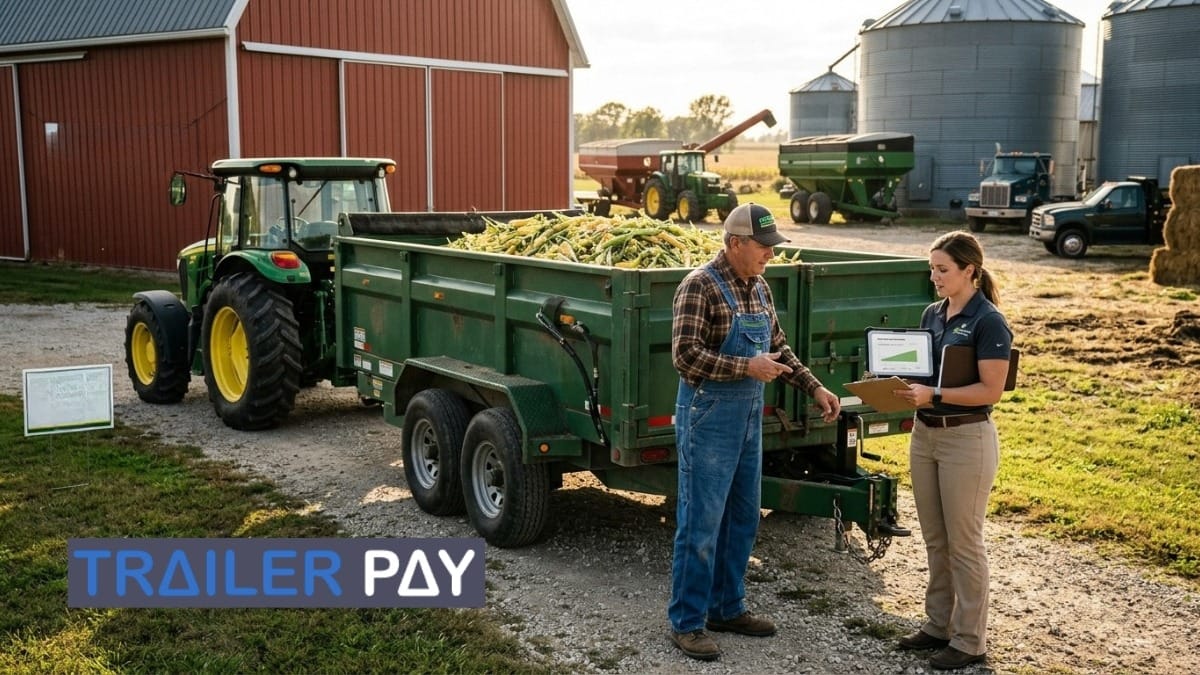
For the 2025-26 financial year, eligible small businesses with an aggregated turnover under $10 million, using simplified depreciation, could immediately deduct the full cost of a qualifying asset costing less than $20,000 (excluding GST) under the instant asset write-off, provided it was first used or installed ready for use by 30 June 2026. Assets over that threshold are generally depreciated through the small business pool instead.
Two points matter for farmers. First, unlike cars, trailers are not subject to the car limit, so a work trailer under the threshold may be fully written off. Second, primary producers have separate concessions for assets such as fencing, water facilities, and fodder storage. The 2026-27 Federal Budget proposed making the $20,000 write-off permanent, but you should confirm the current legislated position with your accountant or the Australian Taxation Office before relying on it.
What to Consider Before You Apply
A few practical checks make sure you choose the right trailer and plan.
First, weights and compliance. Any trailer over 750kg must have brakes, and trailers over 2,000kg need brakes on all wheels plus a breakaway system. Farm trailers used on public roads must be registered and roadworthy, with no rural exemption, so factor registration into your plans. Registration bundles may be available through Trailer Pay, and towing and registration responsibilities should be confirmed with the team.
Second, match the trailer to the task and don't undersize it. A trailer that is too light for your heaviest load is a false economy. Confirm your tow vehicle's braked towing capacity before you commit.
Third, read the terms. A deposit is required, pricing includes GST, and warranty and modification details should be discussed directly so there are no surprises. Trailer Pay's terms and conditions set these out, and the team can walk you through anything unclear. You can learn more about Trailer Pay before you apply.
Frequently Asked Questions
Can farmers get a trailer on a payment plan? Yes. Trailer Pay offers flexible payment plans on agricultural trailers including cattle, tipper, flatbed, and plant trailers. Because it works with self-employed and variable-income applicants, it suits primary producers whose earnings vary by season. Applications are obligation-free and often approved the same day.
Is Trailer Pay a finance company? No. Trailer Pay is Australia's largest trailer reseller and retailer, not a bank or lender. It sources trailers from a nationwide manufacturer network and offers them on affordable payment plans arranged through a panel of finance and credit providers, so you can spread the cost rather than pay upfront.
What agricultural trailers can I finance? You can get livestock and cattle trailers, tipper trailers for grain and feed, flatbed and tabletop trailers for hay and machinery, plant trailers for tractors and implements, box and cage trailers, and ATV trailers. Capacities range from 750kg utility trailers up to 4,500kg flatbeds for heavier loads.
How do payment plan repayments work? Plans use a low deposit followed by weekly, fortnightly, or monthly repayments, with terms commonly from 12 to 60 months. Shorter terms cost less overall, while longer terms lower each repayment to protect cash flow. A common guide is to keep repayments below 20% of income.
Is a farm trailer tax-deductible? Often, yes, as a business asset. For 2025-26, eligible small businesses could immediately deduct a qualifying trailer costing under $20,000 (excluding GST) via the instant asset write-off. Unlike cars, trailers are not subject to the car limit. Tax outcomes depend on your situation, so speak with a registered tax agent.
Can I get approved if I'm self-employed or on a variable income? Yes. Trailer Pay is set up to work with self-employed applicants and irregular incomes, which is common in farming. Pre-approval is obligation-free and does not affect your credit file, so you can check what you qualify for before deciding whether to proceed.
Does Trailer Pay deliver to rural or regional areas? Yes. Trailer Pay operates one of the largest trailer networks in Australia, covering regional and remote areas nationwide. That means farmers outside major centres can still access the full range of trailers and payment plan options without travelling long distances.
Do I need to register a farm trailer for road use? Yes. Farm trailers used on public roads must be registered and roadworthy, and there is no rural exemption. Trailers over 750kg also require brakes, and those over 2,000kg need all-wheel brakes and a breakaway system. Registration bundles may be available through Trailer Pay.
Get Your Farm Trailer Sorted
Ready to put the right trailer to work on your property? Apply online with Trailer Pay in minutes for an obligation-free assessment, or contact the team to match a trailer and a payment plan to your season.
Disclaimer
This article is general information only and does not take into account your personal or business circumstances. It is not financial or tax advice. Payment plans are subject to eligibility, terms, conditions, fees, and charges. Tax rules, including the instant asset write-off, can change and may be subject to pending legislation. Confirm current rules with a registered tax agent and the ATO, and confirm plan details directly with Trailer Pay before making a decision.