Trailer Financing for Tradies: Payment Plans That Fit Your Cash Flow
Overview
For tradies across Australia, a reliable trailer is not a luxury but a necessity. Whether you are a carpenter hauling timber, a landscaper transporting equipment, or an electrician moving tools between job sites, your trailer directly impacts your ability to earn. However, the irregular income patterns common in trade work can make traditional financing feel out of reach.
This guide explores how trailer payment plans can be structured to suit the realities of tradie cash flow. You will learn what finance providers look for, how to prepare your application, and strategies for selecting terms that align with your business operations. By understanding your options, you can secure the trailer you need without compromising your working capital.
Key Takeaways
- Tradies face unique financing challenges due to project-based income and seasonal fluctuations, making flexible payment plans essential.
- A work trailer is a tax-deductible business asset that can increase earning potential while spreading costs over manageable instalments.
- Payment plan providers that assess real-world cash flow rather than rigid income requirements offer better options for self-employed tradespeople.
- Preparing documentation like ABN records, bank statements, and tax returns can speed up approval and improve your chances of securing favourable terms.
- Matching your payment schedule to your typical invoice cycles helps prevent cash flow stress and missed payments.
Why Tradies Need Flexible Trailer Financing
Trade professionals operate differently from salaried employees. Income may surge during busy periods and slow during quieter months. Payment from clients often arrives weeks after completing work. These realities mean standard loan structures with fixed monthly payments can create unnecessary pressure.
Flexible trailer payment plans address these challenges by offering terms that accommodate variable income. Rather than forcing you into a rigid schedule designed for nine-to-five workers, the right payment plan considers how tradies actually earn. This approach allows you to acquire essential equipment while maintaining the cash reserves needed for materials, fuel, and other operational expenses. Understanding how your employment type affects your financing options is the first step toward finding a suitable arrangement.
Many tradies hesitate to pursue financing because they assume their self-employed status will count against them. While it is true that some lenders prefer applicants with steady pay slips, payment plan providers focused on the trades sector understand that a strong ABN history and consistent project work demonstrate reliability just as effectively. The key lies in finding providers who evaluate your complete financial picture rather than applying one-size-fits-all criteria.
Types of Trailers Tradies Commonly Finance
Different trades require different trailer configurations, and understanding which type suits your work helps you budget accurately. Box trailers remain popular among general tradies for their versatility in carrying tools, materials, and waste. Tradesman trailers with built-in storage compartments offer security for expensive power tools and equipment left on job sites overnight.
Tipper trailers serve landscapers, concreters, and demolition workers who need to transport and unload loose materials efficiently. Flatbed trailers accommodate bulky items like scaffolding, large machinery, or building supplies that would not fit in enclosed spaces. Car trailers benefit mobile mechanics and auto electricians who transport vehicles between locations.
Trailer Pay offers flexible payment plans across this full range of trailer types, allowing you to match your purchase to your actual work requirements. Selecting the right trailer from the outset prevents the costly mistake of financing equipment that proves inadequate for your needs, forcing a premature upgrade.
How Payment Plans Work for Self-Employed Tradies
Payment plans for tradies function similarly to other financing arrangements but with greater flexibility in assessment and structure. After selecting your trailer, you submit an application that includes information about your business, income, and financial history. The provider reviews your details and, if approved, offers terms including the deposit amount, repayment schedule, and total cost.
For self-employed tradies, the assessment process typically examines your ABN registration history, business bank statements, and recent tax returns or Business Activity Statements. Providers want to see that your business generates consistent revenue over time, even if individual months vary. A two-year trading history generally strengthens applications, though some providers work with newer businesses demonstrating strong early performance.
Once approved, you pay an initial deposit and receive your trailer. Repayments then occur according to the agreed schedule until the balance is cleared. Some payment plans offer the option to pay off early when cash flow allows, reducing overall costs. Understanding the terms and conditions before signing ensures you know exactly what to expect throughout the arrangement.
Matching Payment Schedules to Your Cash Flow
The timing of your trailer repayments matters as much as the amount. Tradies who invoice clients on 30-day terms may find weekly payments challenging if funds have not yet arrived. Aligning your payment schedule with your typical income cycle reduces stress and the risk of falling behind.
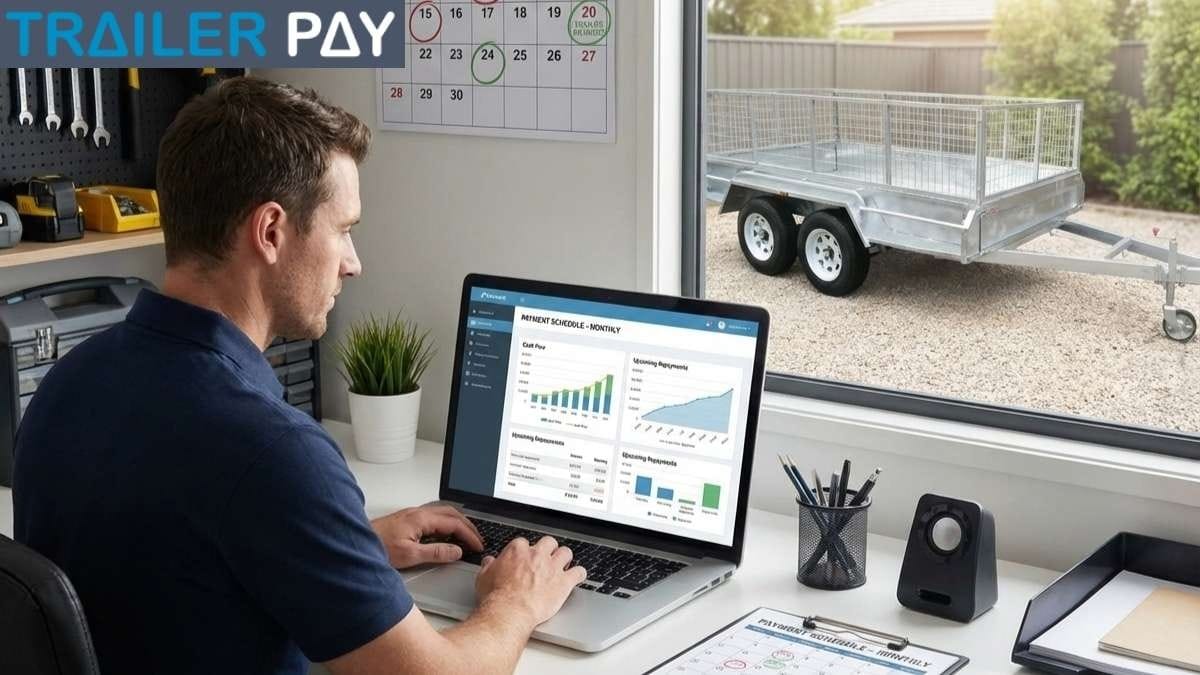
Consider when your largest payments from clients usually land. If most invoices clear in the final week of each month, scheduling repayments shortly after makes practical sense. Some tradies prefer fortnightly payments that coincide with their own billing cycles, creating a predictable rhythm that simplifies budgeting.
Seasonal tradies face additional considerations. Outdoor trades like landscaping and roofing often experience slower winter periods, while indoor trades may remain steadier year-round. If your income fluctuates seasonally, discuss this openly with your payment plan provider. Some arrangements allow for adjusted payments during predictable slow periods, though this varies by provider. Reviewing how seasonal timing affects payment plans can help you anticipate and plan for these variations.
Documents Tradies Need for Trailer Finance Applications
Preparing your documentation before applying speeds up the approval process and demonstrates professionalism. Most providers require proof of identity, such as a driver's licence, along with evidence of your business operations and financial position.
Essential documents typically include your ABN registration confirmation showing your trading history, the most recent two years of tax returns or notices of assessment, and three to six months of business bank statements. Some providers also request Business Activity Statements to verify reported income against actual deposits. Having your essential documents ready before starting your application prevents delays and back-and-forth requests.
If your business is relatively new or you have experienced credit difficulties in the past, additional documentation may strengthen your case. Letters from regular clients confirming ongoing work, signed contracts for upcoming projects, or evidence of asset ownership can all support your application. Providers like Trailer Pay assess applications individually, and some tradies with imperfect credit histories still qualify for payment plans when they demonstrate current financial stability.
Tax Benefits of Financing a Work Trailer
Financing a trailer for business use creates potential tax advantages that outright purchase does not always provide. When you use a payment plan for a work trailer, both the interest component of your payments and the depreciation of the trailer itself may be deductible expenses.
The Australian Taxation Office allows businesses to claim deductions for assets used to generate income. For tradies operating as sole traders or through a company structure, your trailer qualifies as a depreciable asset. Depending on current tax provisions, you may be able to claim immediate deductions under instant asset write-off schemes or depreciate the trailer's value over its effective life. Reviewing the tax benefits of financing a business trailer helps you understand the potential savings.
These deductions effectively reduce the net cost of your trailer, making financing an even more attractive option compared to paying cash. However, tax rules change regularly, and individual circumstances vary. Consulting with a registered tax agent or accountant ensures you claim all eligible deductions correctly and remain compliant with ATO requirements. The Australian Taxation Office provides detailed guidance on depreciation and capital allowances for business assets.
Financing vs. Renting: Which Makes Sense for Tradies?
Some tradies consider renting trailers instead of financing, particularly when uncertain about long-term needs. While rental arrangements avoid upfront commitments, they rarely represent better value for regular trailer users.
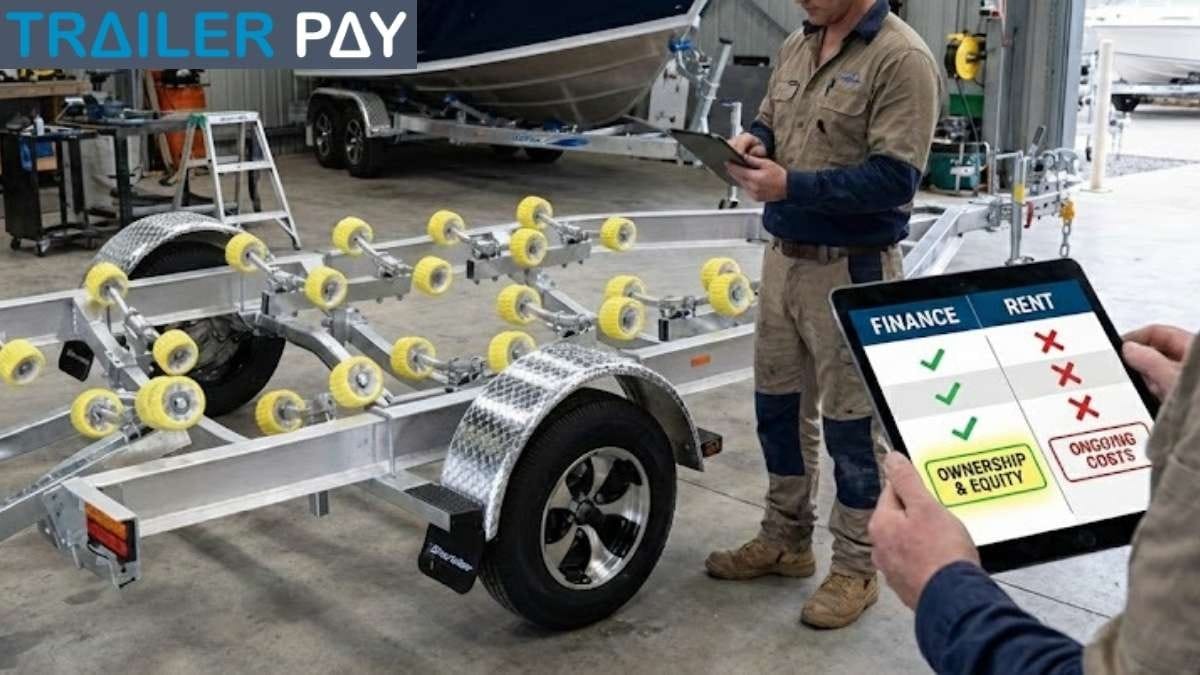
Rental costs accumulate over time without building any equity. A tradie renting a trailer for three years may spend more than the trailer's purchase price while owning nothing at the end. Financing, by contrast, results in full ownership once payments complete, providing an asset you can use indefinitely, modify to suit your needs, or eventually sell. The comparison between financing versus renting a work trailer typically favours ownership for tradies with ongoing equipment needs.
Rentals also limit your flexibility. You depend on the rental company's availability, cannot make permanent modifications, and must work around their maintenance schedules. Owning your trailer means it is always ready when you need it, configured exactly how you want, and available for every job without additional booking or pickup hassles.
How to Choose the Right Payment Plan Provider
Not all trailer finance providers understand the needs of self-employed tradies. Selecting a provider with experience in the trades sector increases your chances of approval and ensures the terms suit your circumstances.
Look for providers who assess applications based on overall business health rather than simply requiring PAYG income evidence. Ask whether they consider bank statements and BAS lodgements rather than just tax returns, which may not reflect current trading conditions. Transparency about fees, early repayment options, and what happens if you encounter temporary difficulties also indicates a trustworthy provider.
Trailer Pay offers flexible payment options and works with tradies across Australia, including those in regional and rural areas. Their application process accounts for the realities of trade work, and their range covers everything from basic box trailers to specialised tradesman and tipper configurations. Comparing your options using a trailer financing calculator helps you understand the true cost of different arrangements before committing.
Common Mistakes Tradies Make When Financing Trailers
Avoiding common errors saves money and frustration throughout your payment plan. One frequent mistake involves underestimating total trailer needs, leading to financing a cheaper option that proves inadequate. Upgrading later means additional costs and potentially overlapping payment obligations.
Another error is failing to account for associated expenses like registration, insurance, and maintenance when budgeting for repayments. Your trailer payment should fit comfortably within your cash flow alongside these ongoing costs, not consume every available dollar. Understanding what to know before applying for finance helps you avoid surprises after approval.
Some tradies also neglect to read terms and conditions thoroughly, discovering unexpected fees or restrictions only after signing. Others avoid applying entirely due to assumptions about their eligibility, missing opportunities that would have been approved. Working with providers who clearly explain the pros and cons of their payment plans helps you make informed decisions.
Frequently Asked Questions
Can I get trailer financing if I have only been a tradie for one year? Newer businesses can qualify for trailer payment plans, though requirements vary by provider. Strong recent bank statements, a registered ABN, and evidence of consistent work improve your chances. Some providers require two years of trading history, while others assess each application individually based on current financial stability.
What deposit do I need for a tradie trailer payment plan? Deposit requirements vary by provider and trailer value. Trailer Pay requires a $200 non-refundable deposit to secure your payment plan. Higher deposits may reduce your ongoing payment amounts, but the minimum required allows you to preserve working capital for other business expenses.
Will my irregular tradie income affect my approval chances? Irregular income does not automatically disqualify you from trailer financing. Providers experienced with trade professionals understand that project-based work creates variable income. Demonstrating overall financial stability through bank statements and tax records matters more than consistent monthly figures.
Can I claim my trailer payments as a business tax deduction? Interest on trailer financing for business purposes is generally tax-deductible, as is depreciation of the trailer itself. However, individual circumstances vary and tax rules change. Consulting a registered tax agent ensures you claim correctly and maximise eligible deductions for your specific situation.
How long do trailer payment plans typically run? Payment plan terms range from several months to several years, depending on the trailer value and your preferences. Shorter terms mean higher individual payments but less total cost, while longer terms reduce payment amounts but increase overall expenditure. Comparing loan term options helps you find the right balance.
What happens if I miss a trailer payment? Missing payments can result in late fees and may affect your credit record. If you anticipate difficulty meeting a payment, contact your provider immediately. Many providers prefer to discuss hardship arrangements rather than pursue defaults, but communication before the due date is essential.
Can I pay off my trailer early if business picks up? Early repayment policies vary by provider. Some payment plans allow additional payments or full early settlement without penalties, while others charge early exit fees. Clarifying this before signing helps you take advantage of strong cash flow periods if they arise. Review strategies to save on interest through smart repayment approaches.
Do I need to register my trailer separately from financing it? Yes, trailer registration is the customer's responsibility and separate from any payment plan. Registration requirements and costs vary by state and territory. Visit your state transport authority, such as Service NSW or VicRoads, for current registration procedures and fees.
What types of trailers are available for tradies through payment plans? Trailer Pay offers payment plans across a wide selection of trailers, including box trailers, tradesman trailers, tipper trailers, flatbed trailers, and car trailers. You can also access payment plans for UTE trays and canopies, making it easier to equip your entire work vehicle setup.
How do I apply for a trailer payment plan as a tradie? The application process begins by selecting your trailer and providing information about your business and financial situation. Having your ABN details, recent bank statements, and tax documentation ready speeds up the process. Visit the Trailer Pay application page to start your enquiry.
Sources
- Australian Taxation Office – Depreciation and Capital Expenses: https://www.ato.gov.au/businesses-and-organisations/income-deductions-and-concessions/depreciation-and-capital-expenses-and-allowances
- Service NSW – Register a Trailer: https://www.service.nsw.gov.au/transaction/register-a-trailer
- VicRoads – Trailer Registration: https://www.vicroads.vic.gov.au/
- Australian Business Licence and Information Service: https://ablis.business.gov.au/
Get Your Work Trailer Today
A reliable trailer keeps your trade business moving. With flexible payment plans designed to match tradie cash flow, you do not have to choose between essential equipment and working capital. Apply now to explore your trailer payment options with Trailer Pay.